
I like to think of myself as funny. Since I claim to write books that are “humorous and heartfelt” I better be able to deliver on both the laughs and tears. But recently, I realized that I didn’t know much about how or why humor works ― the types, structures and mechanics of funny writing. So, I signed up for a six-week class in Comedy Writing at The British Library, taught by comedy director and script editor, Chris Head, with the goal of better understanding how comedy works. Here’s what I learned…
Humor is Subjective

When I first introduced myself as American in a comedy class about British humo(u)r, I felt a hush fall over the room. I sensed that the common concern was: “Would she get it?” I quickly made it clear that I enjoyed sarcasm and had watched a couple of episodes of “The Office” (the original, British version, of course), so I should be OK. The room collectively relaxed. First lesson in humor: One size does not fit all. What makes me ROFL might elicit only a courtesy giggle from you. Culture, religion and age are just a few of the things that affect a sense of humor. It’s nearly impossible to write something that will strike the funny bone in everyone, so focus on what is funny to you or your audience, especially important if, like me, you’re writing for children.
Humor is Timing
“A day without sunshine is like, you know, night.”
― Steve Martin
If you’ve ever heard someone stumble through telling a joke, you know that timing matters. The opening needs to grab you right away and hint at what’s to come. The build up needs to be quick, but not too quick. And the all important punchline needs to land at just the right moment. Case in point, the brilliant quote above by comedic genius, Steve Martin, doesn’t work as well without the words “you know”. We need the pause, created by the phrase between the commas, to let our brain get a bit ahead of itself and try to fill in that blank so when “night” lands, it both surprises and delights us with its hilarity.
Humor is Delivery
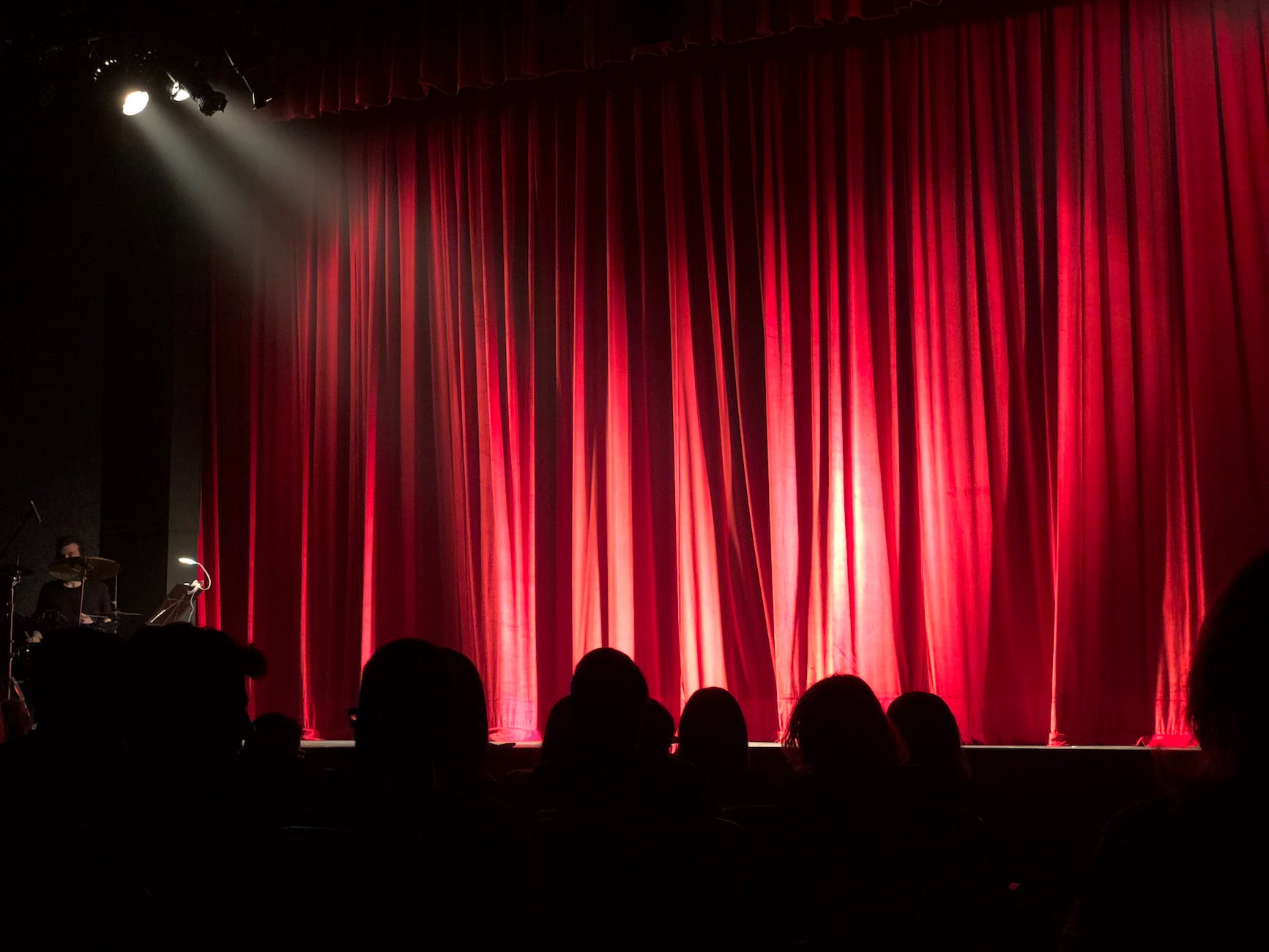
In class, we had the extraordinary opportunity to view drafts of Monty Python skits and manuscripts by P.G. Wodehouse, one of the most widely read British humorists of the 20th century, held in The British Library Archives. Some of the pages included original markings ― lines crossed out, arrows across pages and notes in the margins. What most surprised me most was that, on paper, some of the writing didn’t seem very funny. But when the material was put into the hands of the talented actors from the show, it became hilarious. From facial expressions to emphasis on certain words and the silent gaps between lines, it was the delivery that made the humor work. When writing funny scenes for children, especially in picture books, illustrations can do some of the work that an actor might do. For example, a facial expression or physical action in the artwork can accentuate the humor in the text.
Humor is Structured

Just like writing a story, there is a structure to humor ― a beginning, middle and end, in the simplest terms. In specific comedy speak it’s the set-up, reveal, escalation, payoff and, sometimes, a tag (my favourite bit, sort of like that extra page at the end of a book that adds a last surprise to the story or wraps it around to something said at the beginning). Within these sections, of course, are lots of tools and techniques that can be used to create different effects. For example, is the escalation real or imagined, clear or misunderstood? Each variance can have a different result and lead to a new level of humor within the piece.
Humor is Hilarious

One of the best sounds in life is laughter. And for me, hearing a child giggle at a line I wrote is the best compliment I could hope for. Before I took the class at The British Library, I thought that humor was all talent or a special gift that only some possessed. But what I learned is that there is some sort of method to the madness. It might not make something un-funny, funny, but it can take something that isn’t quite there and get it to LOL level. When comedic writing is done well, it can bring people to tears…the laughing kind, of course.
There’s so much to learn in the land of comedy. While I was taking the course, I read books from P.G. Wodehouse’s Jeeves series, watched episodes of Ted Lasso and listened to the hilarious audiobook, One-Night Stand, by standup comedian, Simon Taylor, all of which highlighted what we were discussing in class. Learning has never been so fun/ny 🙂
What makes you laugh? Seen a funny show lately? Read a hilarious book? Let me know what has tickled your funny bone lately and how you approach adding humorous elements to your writing.
Resources
- British Library Courses: Comedy Writing: Inspired by Michael Palin & P G Wodehouse
- Creating Comedy Narratives for Stage and Screen by Chris Head
- Monty Python Flying Circus Skits: Just the Words
- Fun Jokes for Kids: Comedy and Humor Are Subjective (And That Matters)
 Stephanie Ward